
Leave Your Leaves
If you’re responsible for maintaining a yard anywhere in the Northeastern U.S., you’re likely familiar with the last of autumn’s bounty – dead leaves. Whether you live in a rural, suburban, or urban setting, dead leaves have a habit of piling up.
Many folks choose to get rid of the fallen leaves in their yard, but did you know that those leaves serve as crucial habitat for a wide variety of beneficial insects? A number of moth and butterfly species rely on leaf coverage to survive the winter, whether it be in their egg, larval, pupal, or adult stage. Some of Western New York’s dead leaf-dependent Lepidoptera include: Wooly bear caterpillars, Giant Leopard moth caterpillars, Luna moths, Hummingbird Clearwing moths, Eastern Tiger Swallowtails, and Mourning Cloak butterflies.
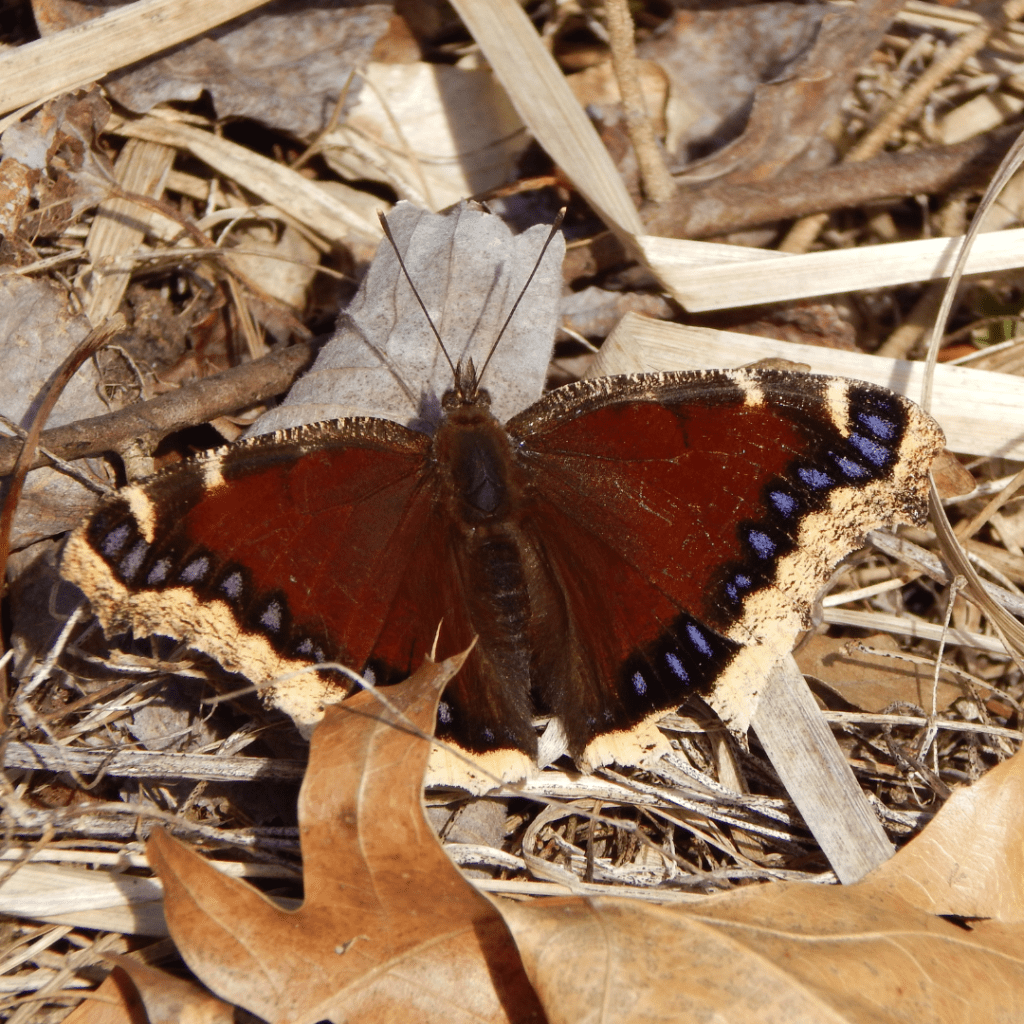
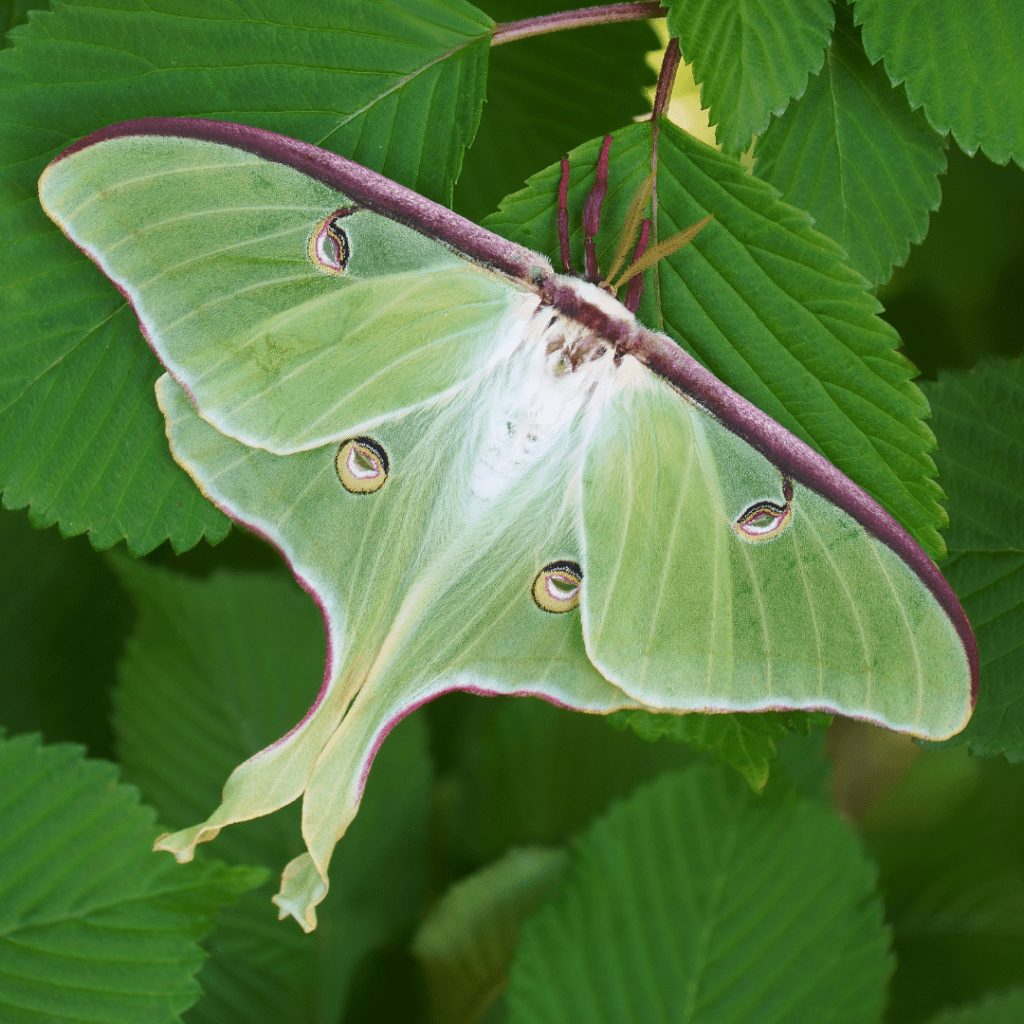
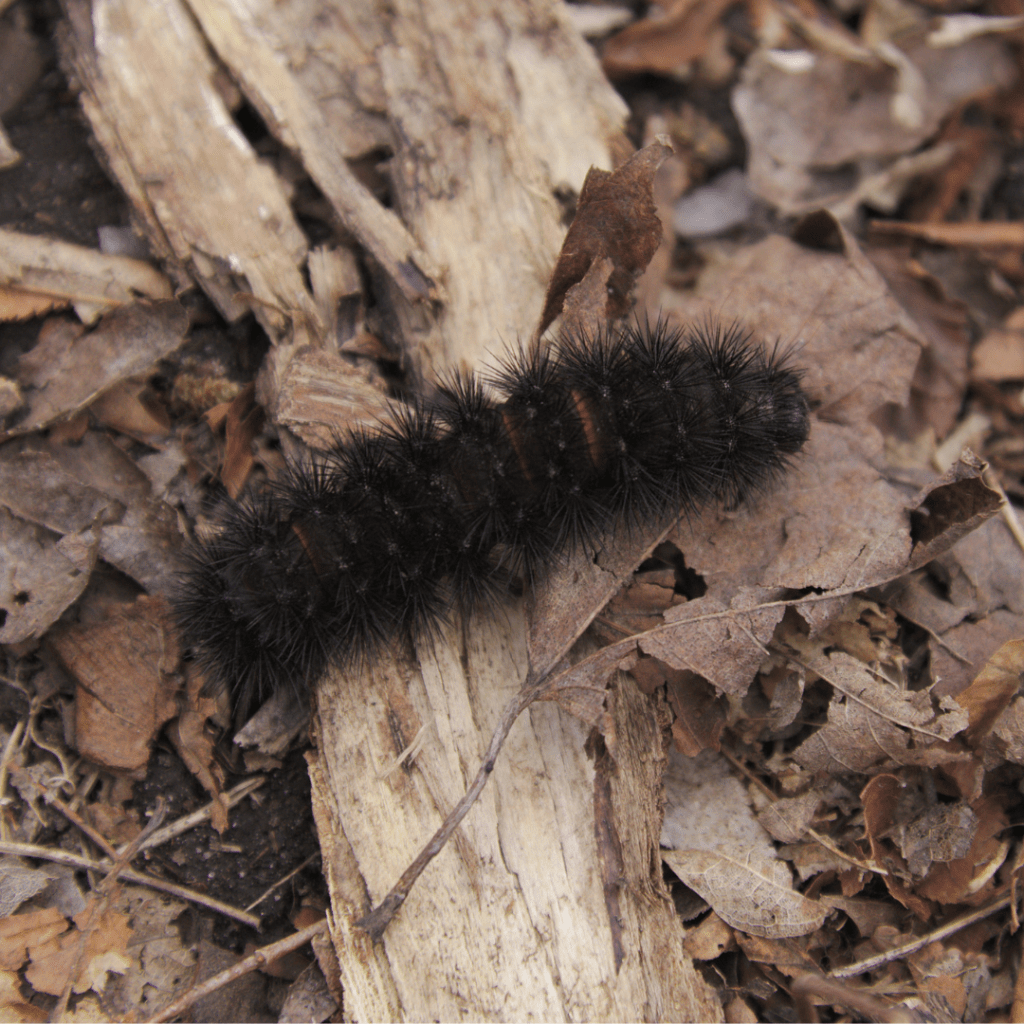
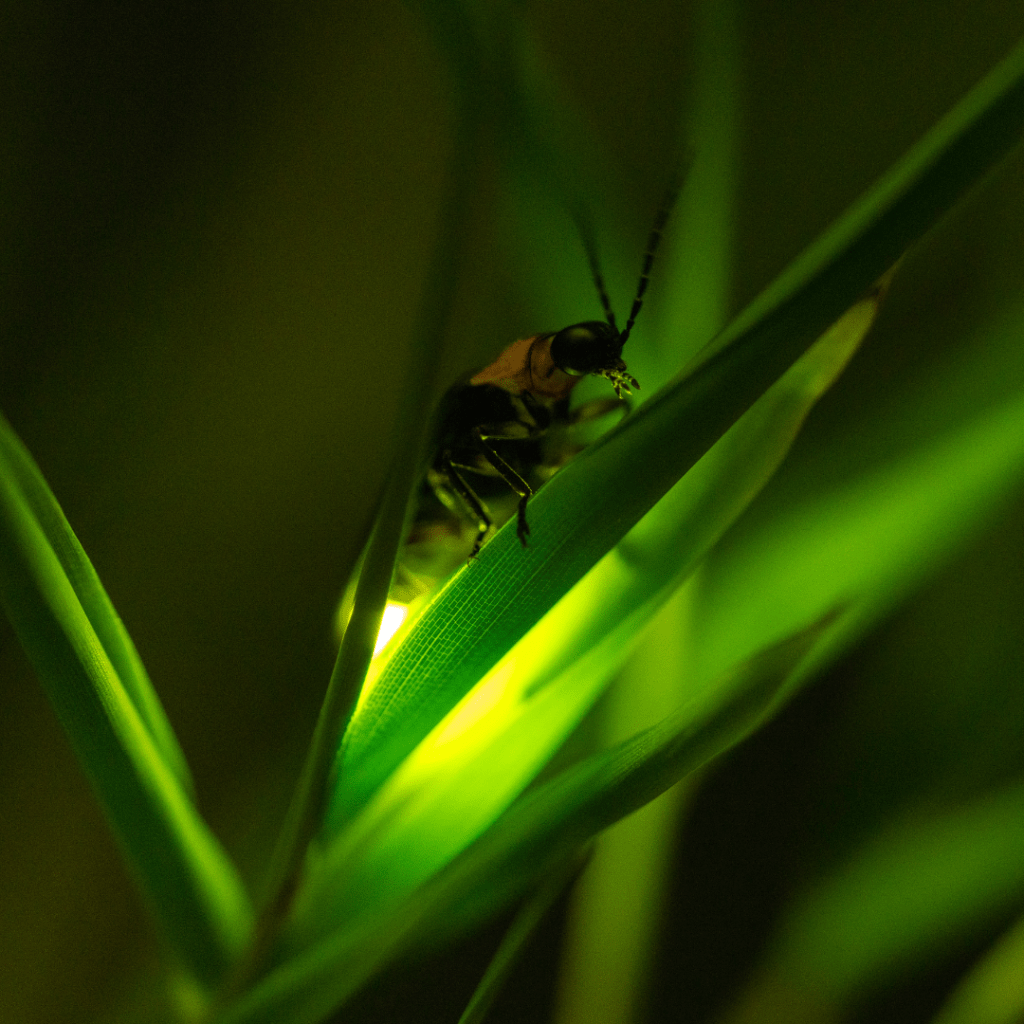
Additionally, a huge variety of beetles overwinter in dead leaves, including fireflies! If you want to see more fireflies next summer, support their population this winter by leaving your fallen leaves and providing them with a safe habitat to weather the cold months. Aside from the famous firefly, many of the beetle species overwintering in your leaves fill crucial roles in our ecosystem; some are prolific pollinators while others are organic matter decomposers.
Did you know? Beetles accounts for around 40% of all known species of arthropods!1
Would you like to support overwintering animals but aren’t interested in having a whole yard’s worth of dead leaves? No problem! You can still provide essential overwintering habitat by leaf blowing, raking, or scooping leaves into a smaller pile in a low-use part of your yard, placing them in a garden, or into raised beds / planters. Shredding leaves can disturb or kill the animals using those leaves for shelter, so it is not a recommended practice if your goal is to provide overwintering habitat.
For safety purposes, we do recommend clearing leaves away from all walkways, stairs, driveways, and other high traffic areas. Wet leaves, especially once they begin to decompose, can be quite slippery!
If you decide to leave your leaves over the winter for ecological benefit, you may wonder when you should clean them up in the springtime. According to The Xerces Society for Invertebrate Conservation, it is best to wait until temperatures are consistently above 50 degrees Fahrenheit before disposing of leaves if you choose to do so.
There are a number of reasons why you may be unable to leave your leaves over the winter. If this is the case for you, consider other ways that you can support local biodiversity! There are a ton of awesome online resources with tips for easy, impactful ways that you can help improve your environment, check out the links below for some ideas!
xerces.org/pollinator-resource-center
nps.gov/subjects/pollinators/helping-in-our-own-backyards.htm
 WildWood Western New York